MEES compliance - Bournemouth EPC Service ...

Book Your EPC

Select Date & Time

Your Reservation

{service_name}
{reservation_date} · {reservation_time}

Location

{location_name}

Clients

{reservation_capacity}

Employee

{employee_name}

Price

{reservation_price}
Your cart is empty.

Total: £0

Your Information

Required fields are followed by *.

Your Order

Payment Method

  • Make your payment directly into our bank account.

    You will receive payment details immediately after booking.

  • Pay with your debit or credit card via Stripe.

Making a reservation...

·

Tag: MEES compliance

Commercial EPC Site Visit Risks Exposed

Commercial EPC site visit risks are becoming a serious problem for landlords and business owners across Bournemouth, Christchurch and Poole. Many national EPC providers are cutting costs by sending domestic-only assessors to carry out commercial site visits, while having a qualified non-domestic assessor sign off the certificate later.

Although this approach might seem harmless, it creates major compliance issues. If the site visit is carried out by someone who is not qualified to assess commercial buildings, the final EPC becomes vulnerable to challenge, rejection, or non-compliance — especially during audits, refinancing, leasing, MEES checks, or legal disputes.


Why Commercial EPC Site Visit Risks Are Increasing

Cheap national EPC providers compete almost entirely on price. Because of this, more of them now outsource the physical site visit to domestic assessors. These assessors are paid very little, and they are not trained in non-domestic building fabric, HVAC systems, SBEM modelling, or zoning.

As a result, critical technical details are collected by someone not qualified to make those determinations. This is one of the fastest-growing commercial EPC site visit risks facing property owners.


How Cheap Providers Create Commercial EPC Site Visit Risks

To keep commercial EPC prices unrealistically low, some providers use a simple model:

  1. Send a domestic assessor (DEA) to gather photos and notes.
  2. Pass the data to an in-house commercial assessor.
  3. Have the qualified assessor sign the EPC.

This creates significant commercial EPC site visit risks because the domestic assessor often ends up making technical judgments they are not trained to make. These include:

  • Identifying HVAC systems
  • Classifying building use
  • Determining construction type
  • Defining zones
  • Analysing lighting systems
  • Assessing thermal elements

Every one of these is a non-domestic competency. If the data is incorrect, the EPC can become unreliable or non-compliant.


The Legal Grey Area Behind Commercial EPC Site Visit Risks

Technically, a Level 3–5 Non-Domestic Energy Assessor (NDEA) can use an assistant for simple, non-technical data collection. However, the NDEA must:

  • Supervise the process
  • Verify all data
  • Make all technical decisions
  • Ensure competence

In practice, this is rarely what happens in low-fee national EPC jobs. Domestic assessors are usually collecting far more than simple visual data. When this happens, commercial EPC site visit risks escalate dramatically because the certificate’s accuracy becomes questionable.

If challenged, a regulator or enforcement body can decide that the EPC is non-compliant, even if a qualified NDEA signed it.


The Hidden Cost of Ignoring Commercial EPC Site Visit Risks

If your EPC is ever scrutinised during a sale, lease renewal, MEES enforcement, grant application, or refinancing, and it becomes clear that the site visit was carried out by someone not qualified, the EPC may be:

  • Rejected
  • Challenged
  • Considered non-compliant
  • Declared invalid for regulatory use

This exposes property owners to:

  • Delays
  • Increased costs
  • Re-assessment fees
  • MEES penalties
  • Failed transactions
  • Potential negligence claims

These are the real commercial EPC site visit risks that cheap EPC providers don’t mention.


How to Protect Yourself From Commercial EPC Site Visit Risks

Here are the steps every landlord and business owner should take:

1. Check the assessor’s accreditation

Use the official EPC register to confirm the assessor is qualified as a Level 3, 4 or 5 non-domestic assessor. Domestic qualifications are not enough. https://www.gov.uk/find-energy-certificate

2. Ask who actually visited the site

If it wasn’t the qualified NDEA, ask why. This matters. https://www.gov.uk/energy-performance-certificate-commercial-property

3. Ask what the assistant was allowed to collect

If they say anything involving HVAC, zoning, construction, or lighting, the EPC is at risk.

4. Ask how the NDEA verified the data

If the answer is vague or unclear, that’s a red flag.

By following these steps, you can avoid the hidden commercial EPC site visit risks that lead to non-compliant certificates.


Why Using a Local NDEA Eliminates These Risks

Local, qualified, and accredited commercial assessors carry out the entire site visit themselves. This removes the chain of risk associated with subcontracted domestic assessors and ensures your commercial EPC is:

  • Accurate
  • Compliant
  • Defensible under audit
  • Safe for MEES, lenders, and solicitors
  • Reliable during sales and leases

Using a proper NDEA is the only way to avoid the increasing number of commercial EPC site visit risks created by low-cost national providers.

For a full overview, read our guide:
👉 Commercial EPCs: Why They Matter for Business Owners


Final Thoughts

Cheap fees might save money today, but bad data can cost far more later. As commercial EPC outsourcing becomes more common, so do commercial EPC site visit risks. If you want a certificate that is accurate, compliant, and safe from challenge, make sure the site visit is carried out by a qualified non-domestic assessor — not a domestic assessor on a low fee.

👉 Book a compliant Commercial EPC with a qualified local expert:
https://bournemouthepcservice.co.uk

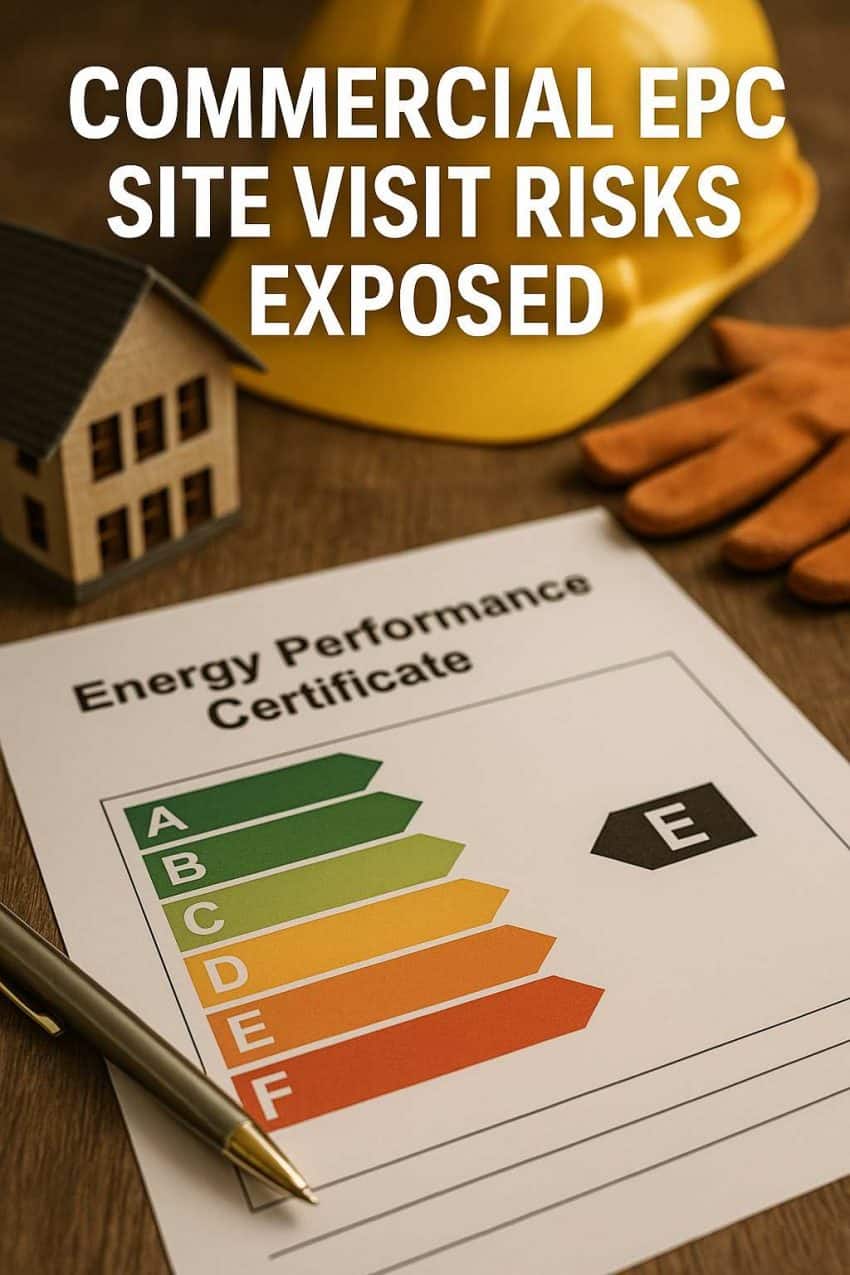
Lifelike image showing a commercial EPC certificate, safety gear, and a model building, highlighting the risks of cheap providers using unqualified assessors.

Retail EPC s: Why Your Commercial Property Needs One

Retail EPC s – If you own or lease a retail unit—like a shop, café, salon, or takeaway—you need a legal document called an Energy Performance Certificate (EPC). This certificate is vital. Not only does it help you stay legal, but it can also save money and build trust with customers.

What Is an Energy Performance Certificate?

An EPC shows how energy efficient your retail property is. It gives your building a rating from A (very efficient) to G (inefficient). In addition, it offers practical advice on how to improve your rating.

Whether you’re selling, leasing, or upgrading your shop, you’ll need an EPC. This is a legal requirement. Properties must meet the Minimum Energy Efficiency Standards (MEES). That means an E rating or better is required. Otherwise, you can’t legally rent the space.

Learn more about MEES from Gov.uk

Who Must Get an EPC for a Retail Space?

You need an EPC if:

  • You are selling or letting your shop or unit
  • You are renewing a lease
  • You are planning upgrades
  • You are applying for funding or grants

Even small high-street shops must comply. Furthermore, many lenders and local councils now ask for a valid EPC before giving approval.

Why Retail EPC Certificates Matter

An EPC does more than just tick a legal box. Here’s why it’s worth paying attention to:

1. Stay Legal

It helps you comply with UK energy laws. Without one, you could face fines of up to £5,000.

2. Retail EPC s Cut Energy Costs

By following EPC advice, you can reduce energy usage. As a result, your monthly operating costs will drop.

3. Appeal to Tenants or Buyers

Retail spaces with strong EPC ratings are more attractive. Investors and tenants often prefer energy-efficient buildings.

4. Retail EPC s Support Your Green Brand

Sustainability matters. A good EPC rating shows customers that your business values the environment.

Book an EPC Assessment in Bournemouth

At Bournemouth EPC Service, we provide fast, accurate assessments. Our team understands the unique needs of Bournemouth’s retail properties.

If you want a no-fuss service, you’re in the right place. Book your energy certificate online with Bournemouth EPC Service or get in touch with us for friendly advice.

In Summary

If you run a retail business in Bournemouth, don’t overlook your energy rating. It’s not just a legal requirement—it can also cut costs and boost your property’s value.

Ready to get started? Book your EPC assessment in Bournemouth today.


Need more information? Visit the Bournemouth EPC Service homepage or explore our blog for more tips.

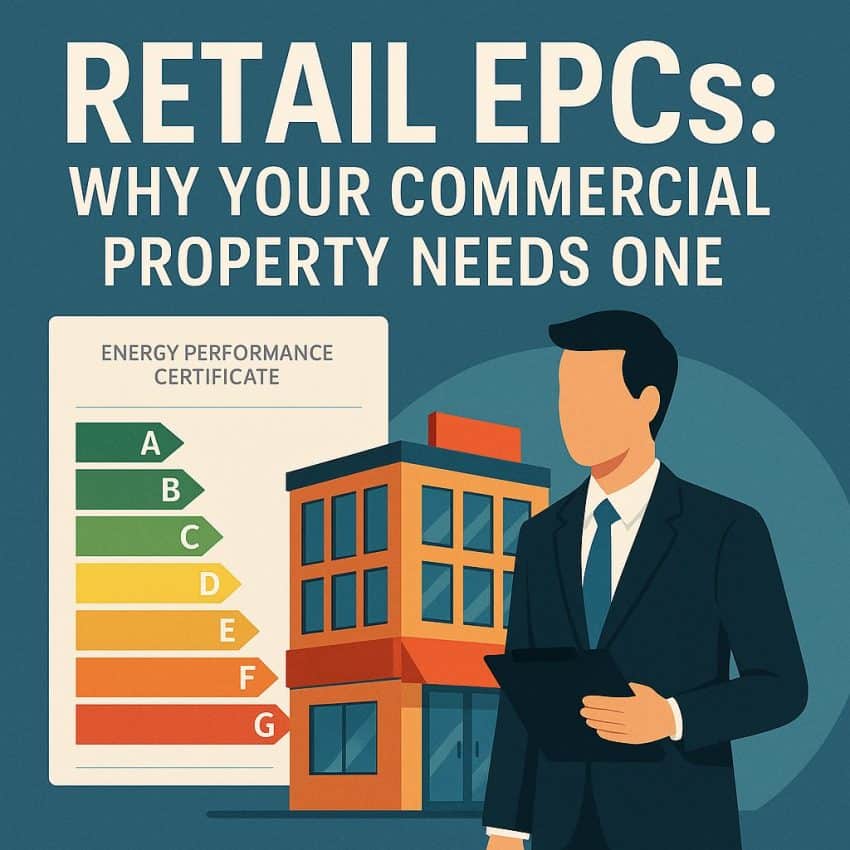
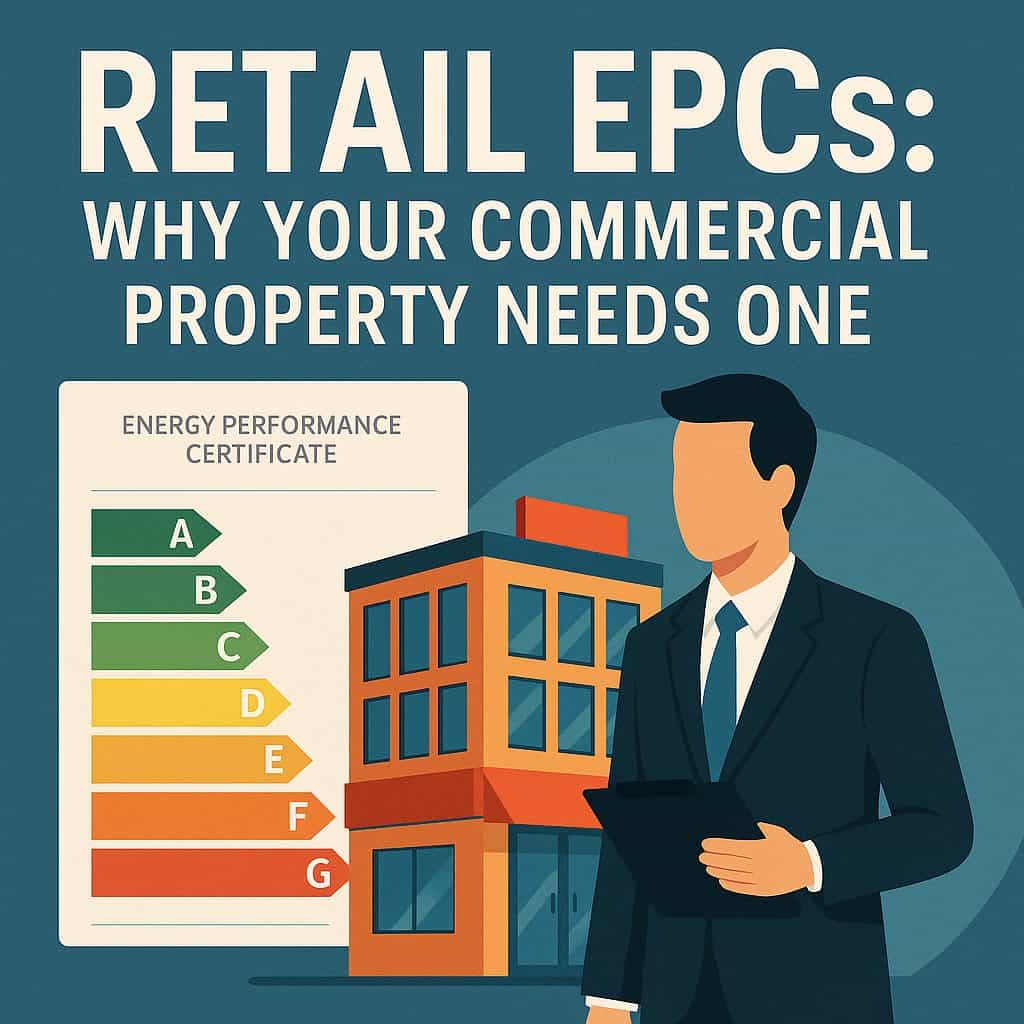
Understanding the value of a Retail EPC for legal compliance, energy efficiency, and tenant appeal in commercial properties.

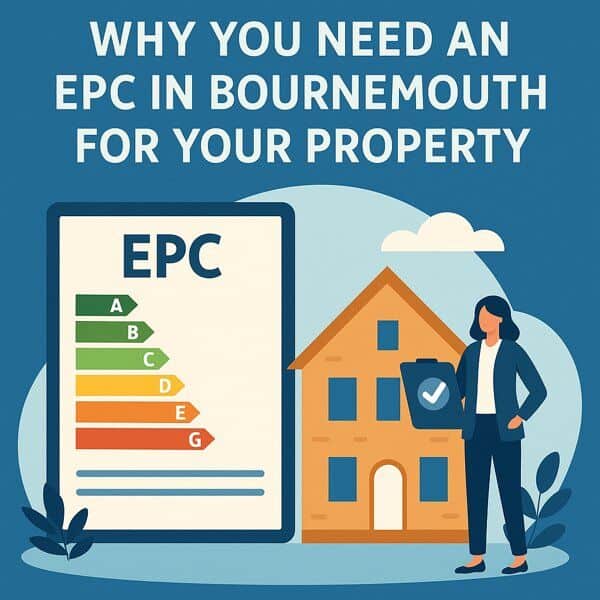
Why You Need an EPC in Bournemouth for Your Property

If you own or manage a commercial or rental property in Bournemouth, you’ve likely heard of the term EPC in Bournemouth. But what exactly is it, and why is it so crucial? An Energy Performance Certificate (EPC) is more than just a legal requirement—it’s a powerful tool for compliance, efficiency, and long-term property value.

What is an EPC in Bournemouth?

An EPC is a document that rates the energy efficiency of a property on a scale from A (most efficient) to G (least efficient). It includes recommendations on how to improve the building’s energy performance. Whether you’re selling, renting, or constructing a property, an EPC in Bournemouth is legally required in most cases. Therefore, it’s essential to understand how it works. You can learn more about EPCs from the official Gov.uk EPC portal.

Why EPCs in Bournemouth Matter for Rented and Commercial Properties

EPCs in Bournemouth aren’t just for ticking boxes—they serve several vital purposes. Consequently, understanding their benefits can make a big difference:

1. Legal Compliance in Bournemouth

In the UK, it is a legal requirement to have a valid EPC when renting out or selling a property. For commercial landlords and business owners in Bournemouth, failure to comply can result in significant fines. Furthermore, under the Minimum Energy Efficiency Standards (MEES), properties must meet a minimum rating of E to be legally let.

2. Improved Energy Efficiency in Bournemouth Properties

An EPC in Bournemouth provides tailored advice on how to make your building more energy-efficient. As a result, implementing these recommendations can lead to lower utility bills and reduced carbon emissions—both of which are increasingly important in today’s environmentally conscious marketplace.

3. Enhanced Property Value in Bournemouth

A better EPC rating often equates to a more attractive property. Therefore, buyers and tenants are more likely to choose energy-efficient premises to save on running costs. In Bournemouth’s competitive property market, this can give your property a distinct edge.

The Local Advantage: Why Use a Bournemouth-Based EPC Assessor

Working with a local EPC assessor in Bournemouth offers several benefits. Not only do they understand the local market, but they also provide:

  • Local knowledge of building types and regulations
  • Faster appointments and turnaround times
  • Support for local business networks

At Bournemouth EPC Service, we specialise in commercial and rental property assessments. As such, we ensure fast, reliable, and fully compliant EPCs tailored to your needs.

How to Get an EPC in Bournemouth

Getting an EPC in Bournemouth is simple. First, contact a qualified domestic or non-domestic energy assessor. Then, book your assessment online through our secure portal and we’ll handle the rest. You’ll find this process quick and convenient.

Useful Resources

To learn more, explore these helpful resources:

Final Thoughts on EPCs in Bournemouth

Whether you’re a landlord, property manager, or business owner, an up-to-date EPC in Bournemouth is more than a legal necessity. In fact, it’s a step towards a more energy-efficient, cost-effective, and marketable property. So don’t delay—book your EPC in Bournemouth today and stay ahead of compliance while improving your property’s appeal.


Need help or advice? If so, get in touch with Bournemouth EPC Service for expert guidance and fast service. You can also visit our homepage to explore more about our services.